Expert advice, industry insights, and step-by-step guides to help you close more deals.
Admin
Author & Contributor
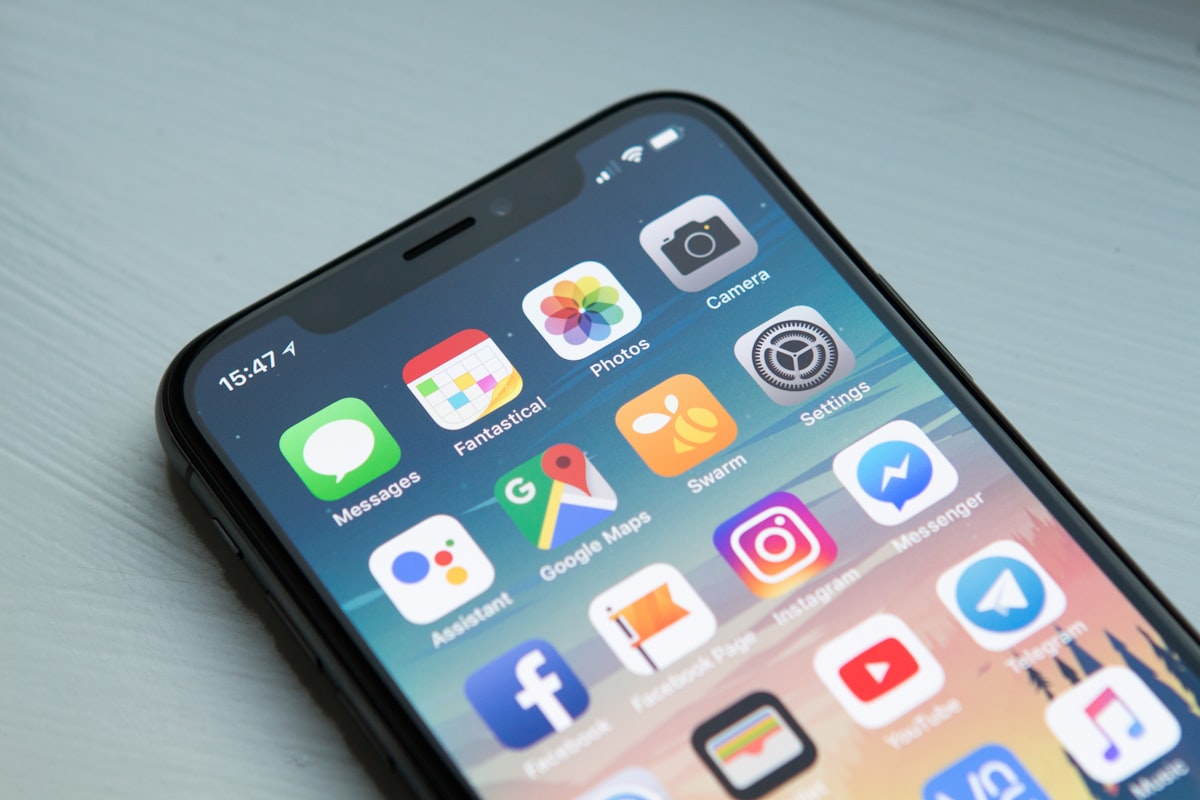
If you are planning to build a mobile application in 2026, the first question on your mind is likely, "How much is this going to cost?" The short answer is that there is no single fixed price. Just as the cost of building a house depends on its size, location, and materials, mobile app development costs vary significantly depending on the app's complexity, features, platform choices, and where your development team is located.
In 2026, developing a mobile app can cost anywhere from $10,000 for a lean Minimum Viable Product (MVP) to well over $500,000 for a highly complex enterprise-level platform.
The single biggest factor driving the cost of your mobile app is its overall complexity. Here is a breakdown of what you can expect to spend based on the type of application you are building in 2026:
The final price tag of an application is the result of several variables stacked on top of each other.
Deciding where your app will live drastically impacts the budget.
Where you hire your development team heavily dictates the total cost. In 2026, developer rates vary widely across the globe:
Features require time, and time is money. Integrating advanced capabilities like artificial intelligence, real-time messaging, or compliance with stringent regulations (such as HIPAA) can add tens of thousands of dollars to your budget.
When you allocate a budget to build an app, those funds are distributed across multiple stages of the software development lifecycle:
The spending does not stop once your app hits the store. Many founders overlook post-launch operational expenses:
To keep mobile app development costs manageable in 2026, the smartest approach is to launch a Minimum Viable Product (MVP) first. By focusing on just two or three core features that directly solve primary user pain points, you can enter the market for $15,000 to $50,000. From there, you can gather authentic user feedback and invest your remaining budget into scaling features based on proven demand, rather than assumptions.
Master the art of closing high-ticket software projects. This comprehensive guide provides a complete software development proposal template, real-world examples, and proven strategies to win more clients.
In the world of B2B sales and freelancing, the first to quote often wins the project. Learn how to optimize your sales pipeline, automate your quoting process, and beat your competition to the inbox.
You don't need a massive enterprise budget to build a high-performing sales pipeline. Discover the top five free tools to streamline your outreach, book more meetings, and send winning quotes in record time.
Choose a field-tested template, configure deliverables and unit costs, and export client-ready quotes with integrated e-signatures.
